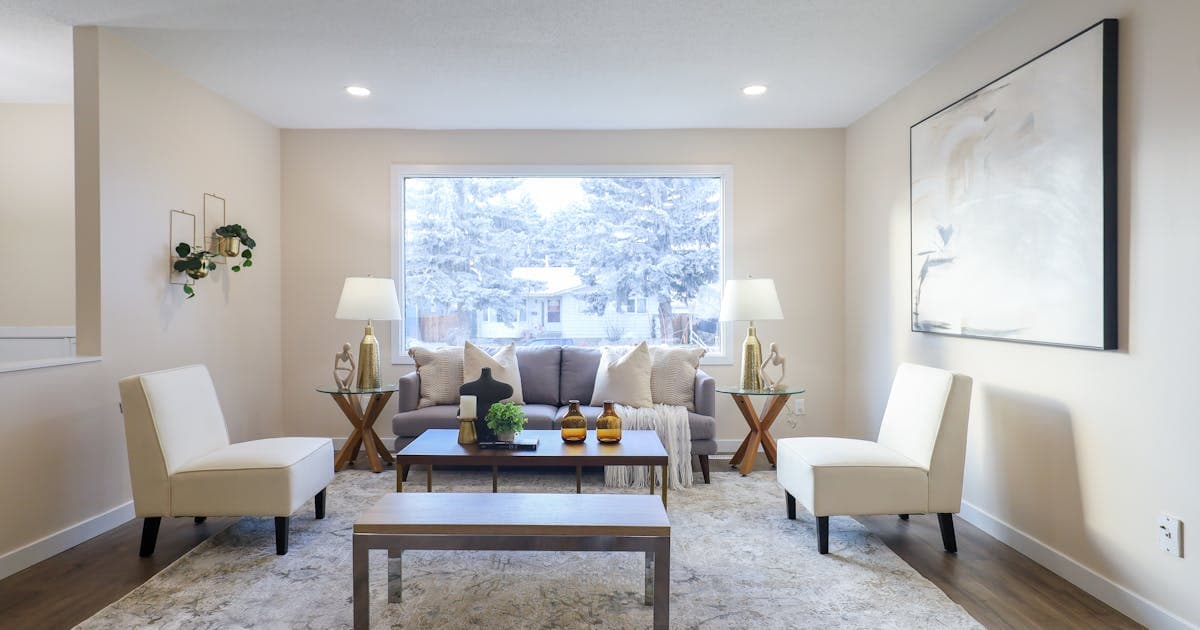
How to Stage Your Home to Sell Fast in 2026
When it comes to selling a home, first impressions are everything — and in 2026, those first impressions happen online, long before a buyer ever walks through your door. Homes that are professionally staged sell faster and for more money than their unstaged counterparts. According to the National Association of Realtors, 81% of buyer's agents report that staging makes it easier for buyers to visualize the property as their future home — and staged homes spend less time on the market.
The good news: you don't need to hire an expensive professional stager to get results. This guide covers the most impactful home staging strategies for 2026, including DIY tips you can implement on a budget.
Why Staging Matters More Than Ever in 2026
Today's buyers start their search online. They scroll through listing photos on Zillow, Realtor.com, and Redfin before they ever schedule a showing — and homes that look clean, spacious, and move-in ready get more clicks, more showings, and more offers.
In a market where buyers have more options than during the 2021–2022 frenzy, standing out in listing photos is a real competitive advantage. Staging isn't just about aesthetics — it's a marketing strategy.
Studies consistently show that staged homes sell for 6%–10% more than comparable unstaged homes, and spend 33%–50% less time on market. Even modest staging efforts can generate a significant return on investment.
Step 1: Declutter — The Single Most Important Step
Nothing kills a buyer's imagination faster than a home full of the seller's stuff. Decluttering is the highest-impact, lowest-cost thing you can do to prepare your home for sale.
What to declutter:
- Personal photos and memorabilia — Buyers need to imagine themselves living there, not be reminded it's someone else's home. Remove family photos, trophies, and personal collections.
- Countertops — Kitchen and bathroom counters should be nearly empty. Keep only 1–2 decorative items maximum.
- Closets and storage spaces — Buyers will open closets. If they're stuffed, it sends a message that the home lacks storage. Remove at least 50% of what's in each closet.
- Furniture — Less is more. A room with fewer pieces of furniture looks larger. Remove any furniture that makes a room feel cramped or blocks traffic flow.
- Knick-knacks, books, and collections — Pack them away. The goal is "model home" minimalism, not "lived-in" warmth.
Practical tip: Rent a portable storage unit or get a storage unit for the duration of your listing. Getting your overflow out of the house is worth every penny when it helps you sell faster.
Step 2: Deep Clean Everything
A clean home signals to buyers that it's been well-maintained. A dirty home — even one with beautiful finishes — creates doubt about what else might have been neglected.
Your deep clean should cover:
- Baseboards, crown molding, and window frames
- Inside appliances (especially the oven and refrigerator if it's staying)
- Grout lines in tile floors and backsplashes
- Light switches, door handles, and outlet covers
- Windows and mirrors — smudge-free glass makes a space sparkle
- Ceiling fans and light fixtures — dust is visible in listing photos
- Bathrooms: scrub everything until it shines, including caulk lines
Consider hiring a professional cleaning crew before your listing photos are taken. The cost ($200–$400 for most homes) is minimal compared to the impact on first impressions.
Step 3: Maximize Light
Light is the most universally flattering feature in a home. Bright, well-lit spaces look larger, cleaner, and more inviting. In listing photos and in person, light sells.
How to maximize light:
- Open all window treatments — Remove heavy drapes and open blinds fully for photos and showings
- Increase bulb wattage — Aim for 100 watts per 50 square feet. Replace any burnt-out bulbs and swap dim incandescent bulbs for bright LED equivalents
- Use warm-toned bulbs — 2700K–3000K bulbs cast a warm, flattering glow that photographs well and feels inviting
- Add lamps to dark corners — Floor lamps and table lamps can transform a dark room
- Clean windows — Dirty windows block light; clean ones let it pour in
- Mirror placement — Strategically placed mirrors reflect light and make spaces feel larger
For listing photos, turn on every light in the house — even in closets — and schedule the photo shoot during daylight hours for the best natural light.
Step 4: Neutralize and Refresh the Color Palette
Buyers form emotional connections with homes that feel universally appealing. Bold, personalized color choices — a bright red accent wall, a lime green bedroom — may suit your taste perfectly but can be a turnoff for buyers who have to mentally repaint every room.
In 2026, the most buyer-appealing color palette for staged homes leans toward warm neutrals: soft whites, warm greiges (gray-beige), earthy taupes, and soft sage greens. These colors feel fresh, modern, and move-in ready.
If any room has a bold or polarizing color, a fresh coat of paint is one of the best investments you can make before listing. A gallon of paint costs $30–$60; the return on buyer perception is enormous. Stick to one consistent neutral palette throughout the home for a cohesive, polished feel.
Step 5: Stage Key Rooms First
You don't need to stage every room perfectly — focus your effort where buyers spend the most mental energy.
The Living Room
This is usually the first room buyers enter and the one they spend the most time imagining themselves in. Key principles:
- Arrange furniture to create a clear conversation area that faces a focal point (fireplace, TV wall, or view)
- Remove extra pieces so the room feels spacious
- Add a neutral area rug to anchor the seating area
- Use throw pillows and a lightweight throw blanket for warmth (in neutral tones)
- Add one or two tasteful decorative objects — a vase, a coffee table book, a simple candle grouping
The Kitchen
Kitchens sell homes. Buyers scrutinize them closely.
- Clear counters completely — leave only a coffee maker or a bowl of fresh fruit
- Remove anything from the refrigerator exterior (photos, magnets, notes)
- Clean and polish all surfaces and appliances
- Add a simple vase with fresh flowers or greenery for a moment of life
The Primary Bedroom
Buyers should feel like they're walking into a serene retreat.
- Use hotel-style white or neutral bedding — crisp, clean, and inviting
- Remove excess furniture
- Clear all nightstands except for one lamp, one book, and a small decorative item
- Hide all cords, personal items, and clutter
Bathrooms
- Remove all personal care products from counters and showers
- Display fresh, rolled or neatly folded white towels
- Add a simple plant or candle for styling
- Put a new soap dispenser and a coordinating bath mat
Step 6: Boost Curb Appeal
Buyers form their first impression of your home before they step inside. If your exterior looks tired, buyers may already be skeptical walking through the front door.
Quick curb appeal wins:
- Mow, edge, and trim all landscaping
- Add fresh mulch to planting beds
- Plant a flat of seasonal flowers near the entry for color
- Power wash the driveway, walkway, and exterior
- Paint or replace the front door (a fresh front door is one of the best ROI home improvements)
- Update house numbers and a new mailbox if yours looks dated
- Ensure porch lights are working and look clean and updated
- Remove any items stored outside that don't belong (toys, hoses, bins)
Your listing's exterior photo is often the first image buyers see. Make it count.
Step 7: Eliminate Odors
Smell is the sense buyers process most emotionally — and bad odors are an immediate dealbreaker. Pet odors, cooking smells, smoke, and mustiness can kill a deal before a buyer even sees the kitchen.
Steps to address odors:
- Deep clean carpets (rent a steam cleaner or hire a professional)
- Wash all soft furnishings — curtains, throw pillows, pet bedding
- Identify and address any moisture issues (mold, mildew) — these are deal-killers and are non-negotiable
- Replace HVAC filters and clean air vents
- Open windows to air the home out before showings
- Use subtle, pleasant scents for showings — freshly baked goods, a light citrus diffuser, or fresh flowers. Avoid heavy air fresheners, which buyers often perceive as masking something.
Budget-Friendly Staging Tips
You don't need to spend thousands to stage effectively. Here are high-impact, low-cost moves:
- Fresh flowers — A $10–$15 bunch of tulips or greenery adds life to any room
- New bath towels — A set of white hotel-style towels from a discount store costs $25–$40 and transforms a bathroom
- New throw pillows — $15–$30 at TJ Maxx or Amazon can refresh a sofa
- Matching hangers — Uniform hangers in closets make storage look organized and ample
- Touch-up paint — Fix scuffs, nicks, and marks on walls for the price of a quart of paint
- Potted plants — A $10–$20 fiddle-leaf fig, snake plant, or pothos adds texture and life to living areas
- Swap outdated hardware — New cabinet knobs and drawer pulls cost as little as $2–$5 each and can modernize a dated kitchen
When to Hire a Professional Stager
If your home is vacant, in a higher price range, or you simply don't have the time or confidence to stage it yourself, hiring a professional stager is worth considering. A staged vacant home almost always shows better than an empty one — furniture helps buyers understand the scale and purpose of each room.
Professional staging costs vary widely:
- Consultation only ($100–$300) — A stager walks through and gives you a detailed action plan to implement yourself
- Partial staging ($500–$1,500) — Key rooms only, using your existing furniture supplemented by rental pieces
- Full vacant staging ($2,000–$6,000+) — The stager furnishes and styles the entire home for the duration of the listing
For most sellers, even a staging consultation is worth the investment. The guidance you receive will be far more specific to your home than any general article — and the ROI from a faster sale or higher offer more than covers the cost.
The Bottom Line
Staging your home doesn't have to be expensive or overwhelming. The most impactful steps — decluttering, deep cleaning, maximizing light, and neutralizing decor — cost very little but can dramatically change how buyers perceive your home. In 2026's competitive landscape, a well-staged home that photographs beautifully and shows impeccably gives you a real advantage.
Think of staging as the marketing budget for your most valuable asset. A few hundred dollars and a weekend of effort can translate to thousands more at the closing table — and a much shorter time on market.