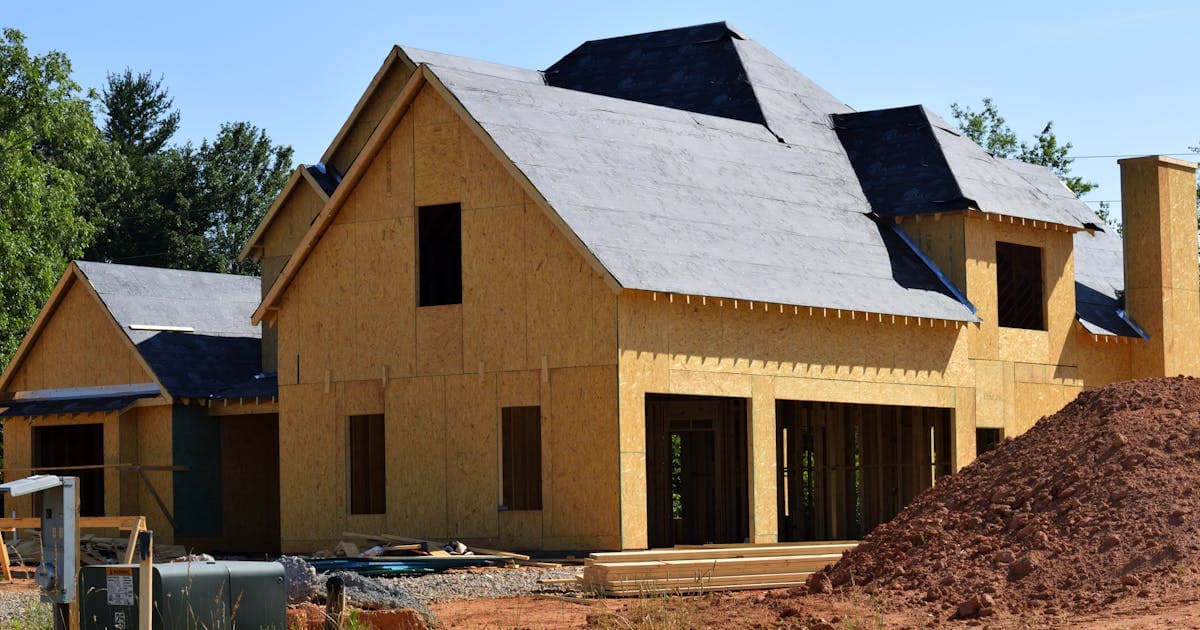
How to Buy a New Construction Home in 2026: The Complete Guide
Buying a brand-new home sounds simple — pick your floor plan, choose your finishes, and move in. But the new construction buying process is more complex than it appears, and buyers who go in unprepared often end up overpaying, under-protected, or blindsided by costs they never saw coming.
This guide walks you through every step of how to buy a new construction home in 2026 — from researching builders to closing day — so you can make one of the biggest purchases of your life with confidence.
New Construction vs. Existing Homes: What's Different?
Before diving into the process, it helps to understand how buying new construction differs from buying a resale home:
- You're often buying a home that isn't built yet — which means a longer timeline (typically 6–9 months from contract to close)
- The seller's agent works for the builder, not you — their job is to protect the builder's interests
- Contracts are longer and less flexible — builder contracts are written by the builder's legal team and favor the builder
- Upgrades add up fast — what you see in the model home is often the fully-upgraded version, which can cost significantly more than the base price
Understanding these differences is the foundation of a smart new construction purchase.
Step 1: Get Pre-Approved Before You Shop
Just like buying a resale home, your first step is securing mortgage pre-approval. Builders will require proof of financing before accepting a purchase contract, so have your pre-approval letter ready before you tour any communities.
One key difference: many builders have in-house or preferred lenders and will offer incentives (like closing cost credits or rate buydowns) if you use them. These can be genuinely valuable — but always compare the loan terms against an independent lender before committing. Sometimes the incentives offset a slightly higher rate; sometimes they don't.
Step 2: Research Builders Thoroughly
Not all builders are created equal. Before falling in love with a floor plan, do your homework:
- Check the BBB (Better Business Bureau) and state licensing boards for complaints
- Search online reviews on Google, Yelp, and community forums — look specifically for reviews from buyers who have lived in the home for at least a year
- Talk to current residents in completed phases of the development; knock on doors or attend a community meeting
- Review their warranty terms — the industry-standard 1-2-10 warranty covers 1 year for workmanship, 2 years for systems (HVAC, plumbing, electrical), and 10 years for structural defects
A builder's reputation is your best indicator of what the post-closing experience will look like.
Step 3: Understand the Types of New Construction
New construction homes come in three main varieties, each with different timelines and customization levels:
Spec homes are already built or nearly complete. The builder chose the finishes and floor plan — you get what you see. These close quickly (sometimes within 30–60 days) and are often priced to move. They're a great option if you need to relocate soon.
Tract homes (also called production homes) are built in phases within a community. You choose a floor plan and lot from available options, then select finishes within a design center allowance. Timeline: 6–9 months.
Custom homes are built from the ground up to your specifications, often on land you own or purchase separately. The most personalized option — and the most expensive and time-intensive.
Most buyers purchase tract or spec homes. This guide focuses primarily on those.
Step 4: Hire Your Own Real Estate Agent
This is the step many new construction buyers skip — and it's one of the costliest mistakes you can make.
The builder's sales agent is employed by the builder. They are professional, helpful, and knowledgeable about the community — but they represent the builder's interests, not yours.
Bring your own buyer's agent. In almost all cases, the builder pays your agent's commission, so it costs you nothing extra. A good buyer's agent will:
- Negotiate on your behalf for price, upgrades, or closing costs
- Review the builder's contract with you before you sign
- Coordinate third-party inspections during the construction process
- Alert you to red flags in the contract or the community
Register your agent on your first visit to the sales office — builders typically require agent representation to be established at the first contact.
Step 5: Negotiate Before You Sign
Yes, new construction prices are negotiable — especially in a buyer's market or when a builder has unsold inventory. Here's where you have leverage:
- End of quarter/year: Builders often have sales goals to hit. They may offer price reductions, free upgrades, or closing cost assistance near the end of a quarter or fiscal year.
- Final lots in a phase: The last few homes in a completed phase are often discounted to clear inventory before starting the next phase.
- Upgrades vs. price reductions: Builders are often more willing to throw in upgrades (which cost them less than retail value) than to reduce the base price (which affects their comps). If they won't budge on price, negotiate for kitchen upgrades, flooring, or a rate buydown.
Never sign the first contract handed to you without negotiating.
Step 6: Review the Builder Contract Carefully
Builder contracts are long, detailed documents written to protect the builder. Before you sign, have a real estate attorney (separate from your agent) review the contract. Key clauses to scrutinize:
- Price escalation clauses: Some contracts allow the builder to increase the price due to materials cost increases. Understand how much exposure you have.
- Timeline and delay provisions: Most contracts give builders significant leeway to delay the completion date. What happens if they're 6 months late? Do you have any recourse?
- Upgrade allowances: Understand exactly what's included in the base price and what costs extra. Get upgrade pricing in writing before you sign.
- Financing contingency: Know your rights if your financing falls through before closing.
The contract protects the builder. Your job is to understand every clause before agreeing to it.
Step 7: Budget for Hidden Costs
The base price is just the starting point. New construction buyers routinely spend significantly more than the contract price once all costs are accounted for. Budget for:
- Design center upgrades: Flooring, cabinet hardware, countertops, and fixtures above the base-level options can easily add $20,000–$50,000 or more to the final price
- Landscaping: Most new builds include minimal or no landscaping. Budget $5,000–$15,000 to get your yard where you want it
- Window treatments: Builders don't install blinds or curtains. For a typical new home, budget $2,000–$5,000
- HOA fees: New construction communities often have HOAs with fees ranging from $200–$600+ per month
- Property taxes: Newly built homes often have their taxes reassessed after completion, which can significantly increase the amount from the initial estimate
A good rule of thumb: budget 10%–15% above the base purchase price for all-in costs.
Step 8: Get Independent Inspections
Even brand-new homes have construction defects. Builder warranties cover many issues, but catching them early — before the builder covers them up with drywall and paint — is far better.
Schedule a third-party home inspector at these key phases: - Pre-drywall inspection: After framing, plumbing, and electrical are in but before the walls are closed. This is the most valuable inspection — defects are visible and easy to fix. - Final walkthrough inspection: Hire your inspector again just before your final walkthrough with the builder. Have a second set of professional eyes document every issue before you sign off.
Never skip independent inspections on new construction. Builders are not infallible, and their construction crews are under time pressure.
Step 9: The Final Walkthrough
Before closing, you'll conduct a formal final walkthrough with the builder's representative. This is your opportunity to document every item that doesn't meet the contract standards or isn't completed properly. Common items to check:
- Paint touch-ups, scratches on surfaces, missing hardware
- All appliances and fixtures installed and operational
- Doors and windows opening, closing, and sealing properly
- HVAC system running correctly
- Any items from your punch list that should have been corrected
Get every outstanding item in writing with a commitment to a specific remedy and timeline. Do not close with a vague verbal promise that items will be fixed "later."
Step 10: Close and Move In
At closing, you'll sign your mortgage documents, pay your closing costs, and receive the keys. New construction closings typically include a detailed warranty packet — keep this in a safe place, as you'll reference it if any issues arise in the first year.
After you move in: - Submit warranty claims promptly — document any issues as they arise and submit formal warranty claims in writing - Register your warranty with the builder (some warranties require registration) - Get to know your neighbors — in newly built communities, your neighbors' experiences will be your best resource for navigating warranty service
Is New Construction Right for You?
New construction is a great choice if you want a home built to current codes, energy-efficient systems, and the ability to personalize your finishes. It requires patience, diligence, and a willingness to advocate for yourself throughout a complex process.
Go in with the right team — a knowledgeable buyer's agent, an independent attorney, and a third-party inspector — and the new construction buying experience can be one of the most rewarding ways to become a homeowner in 2026.